Programs & Activities
Many forms of expression. A shared cultural purpose.
Visual art, performance, heritage, and creative learning offer different ways to experience culture. The following thematic areas introduce the cultural fields relevant to our identity.
Visual arts and creative expression
Painting, drawing, sculpture, illustration, and photography invite close observation and personal interpretation. Making and viewing visual art can open conversations about ideas, experiences, and cultural identity.
Heritage and traditional crafts
Local history, handmade objects, and artistic customs carry knowledge across generations. Learning about materials and techniques helps people appreciate both the finished work and the patience and experience behind it.
Community arts and cultural dialogue
Shared creative interests can bring people together. Cooperative activities and respectful conversation offer opportunities to exchange knowledge and explore what cultural life means to different communities.
Arts education and intergenerational learning
Creative learning encourages imagination, critical thinking, and confidence. Experiences shared between younger and older people can connect established knowledge with fresh questions and perspectives.
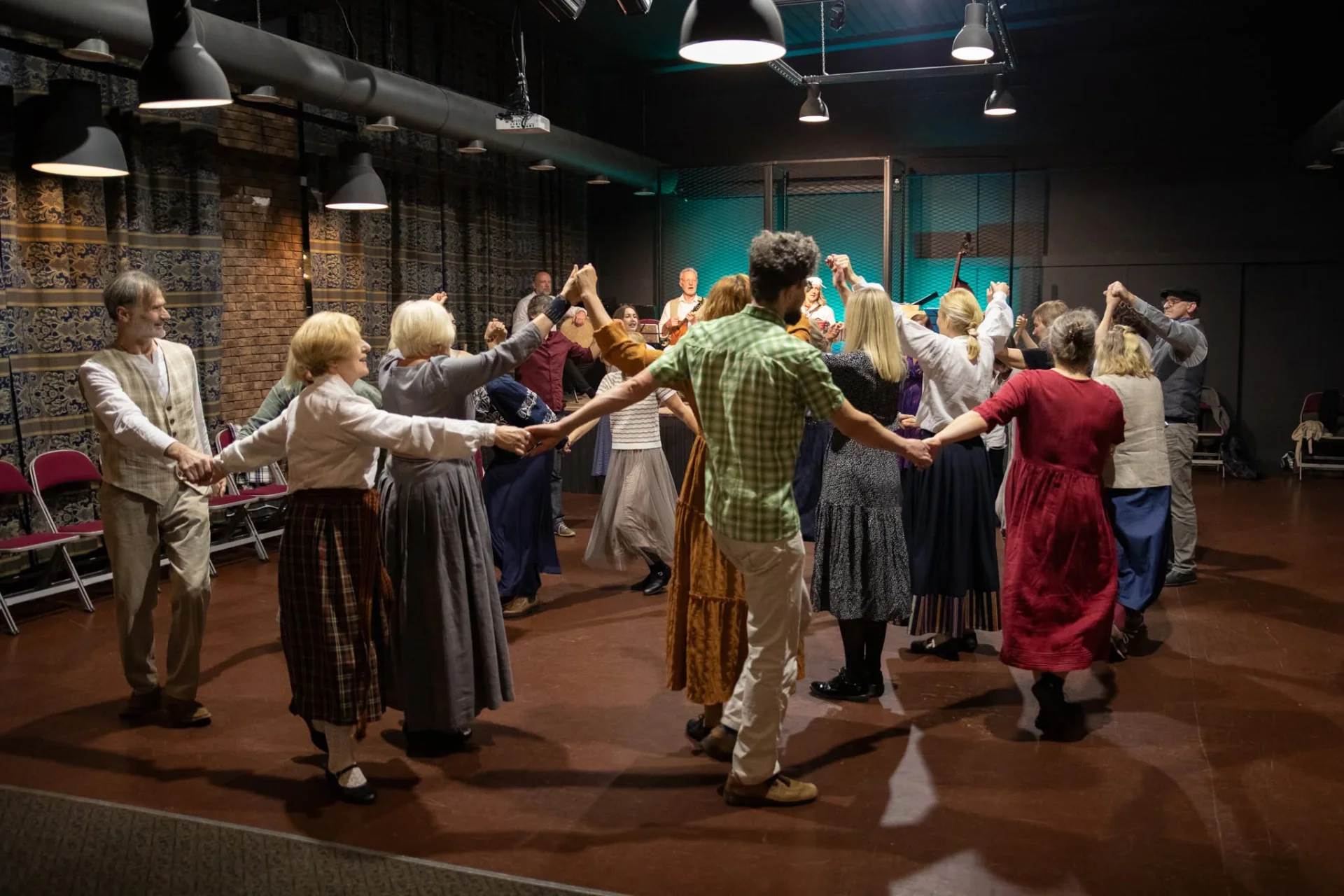
Music and performing arts
Music, theatre, dance, and live performance combine creative skill with shared experience. Rhythm, movement, and storytelling can communicate meaning in ways that extend beyond words.
Literature and storytelling
Poetry, writing, oral storytelling, and literature preserve memories and communicate experiences. They help communities reflect on language, identity, and the stories they choose to carry forward.
Contemporary creativity
New materials and digital practices expand the ways artists create and communicate. Contemporary approaches can exist alongside traditional forms, contributing to an evolving cultural conversation.
Accessibility and collaboration
Clear information and thoughtful consideration of access can help more people participate. Cooperation among artists, educators, community members, and cultural organizations is valuable when responsibilities and expectations are understood.
Let’s make a connection.
Artistic interests, cultural questions, or a shared idea.
We welcome the conversation.