Cultural Heritage
What we carry forward.
Cultural heritage includes the practices, stories, artistic traditions, and shared experiences that help communities understand their histories. Latvia’s cultural landscape is closely connected to music, language, craftsmanship, literature, and community traditions.
Traditional arts
Knowledge of traditional techniques is often learned through practice: observing a gesture, listening to a melody, or working with a material. Preserving that knowledge includes understanding the context and meaning of the work.
Latvian cultural identity
Cultural expression can create a sense of belonging without reducing identity to a single story. Local experiences and different perspectives contribute to a wider understanding of Latvia’s heritage.
Music and folk traditions
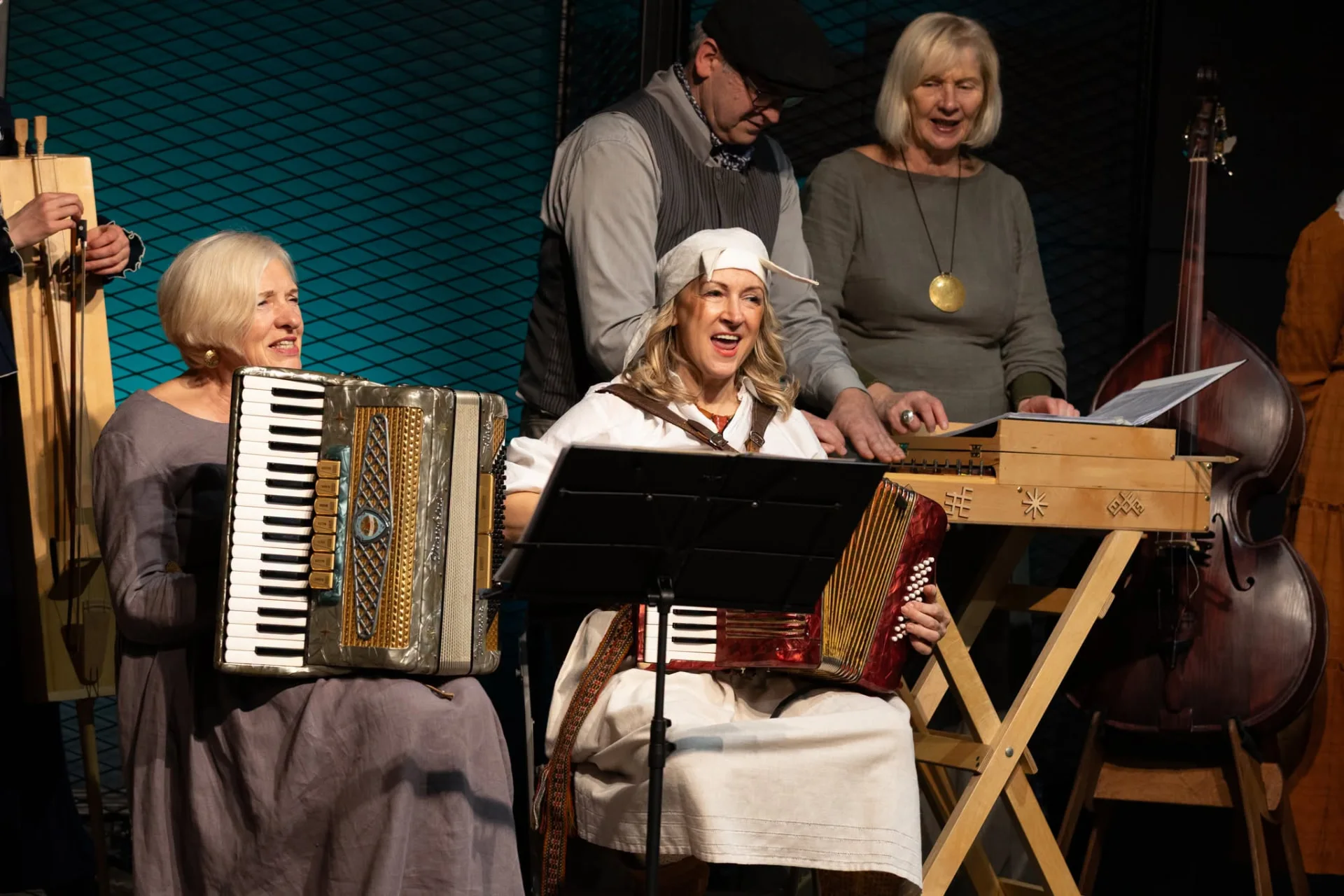
Songs, instrumental music, and communal dance can connect personal memory with shared experience. Their cultural value includes the relationships and occasions through which they are learned and passed on.
Local histories
Stories associated with a place help communities understand change and continuity. Local cultural histories add texture and specificity to broader national narratives.
Knowledge across generations
Sharing cultural knowledge is a two-way exchange. Older people can offer experience, while younger people bring questions that help traditions remain meaningful in changing circumstances.
Responsible preservation
Documentation, education, and public appreciation should respect the people connected to a tradition. This website does not claim that the foundation manages a museum, archive, or heritage collection.
Let’s make a connection.
Artistic interests, cultural questions, or a shared idea.
We welcome the conversation.