Arts Education
Curiosity is the beginning.
Arts education supports creative thinking, communication, and personal expression. Exploring artistic practices helps people develop interests and deepen their understanding of cultural life.
Creative confidence
Trying a technique, making mistakes, and returning to a piece of work can build confidence. Learning environments are most helpful when experimentation is welcome and progress is not reduced to comparison.
Cultural literacy
Understanding artistic traditions and cultural history helps people interpret creative work. It also encourages questions about who makes art, how meaning changes, and which stories are represented.
Lifelong learning
People can develop creative interests at any age. Listening, reading, viewing, and making are all ways to continue learning, whether independently or with others.
Youth and creativity
Age-appropriate artistic experiences can support imagination and communication. Young people benefit from space to explore their own ideas and encounter different forms of expression.
Learning across generations
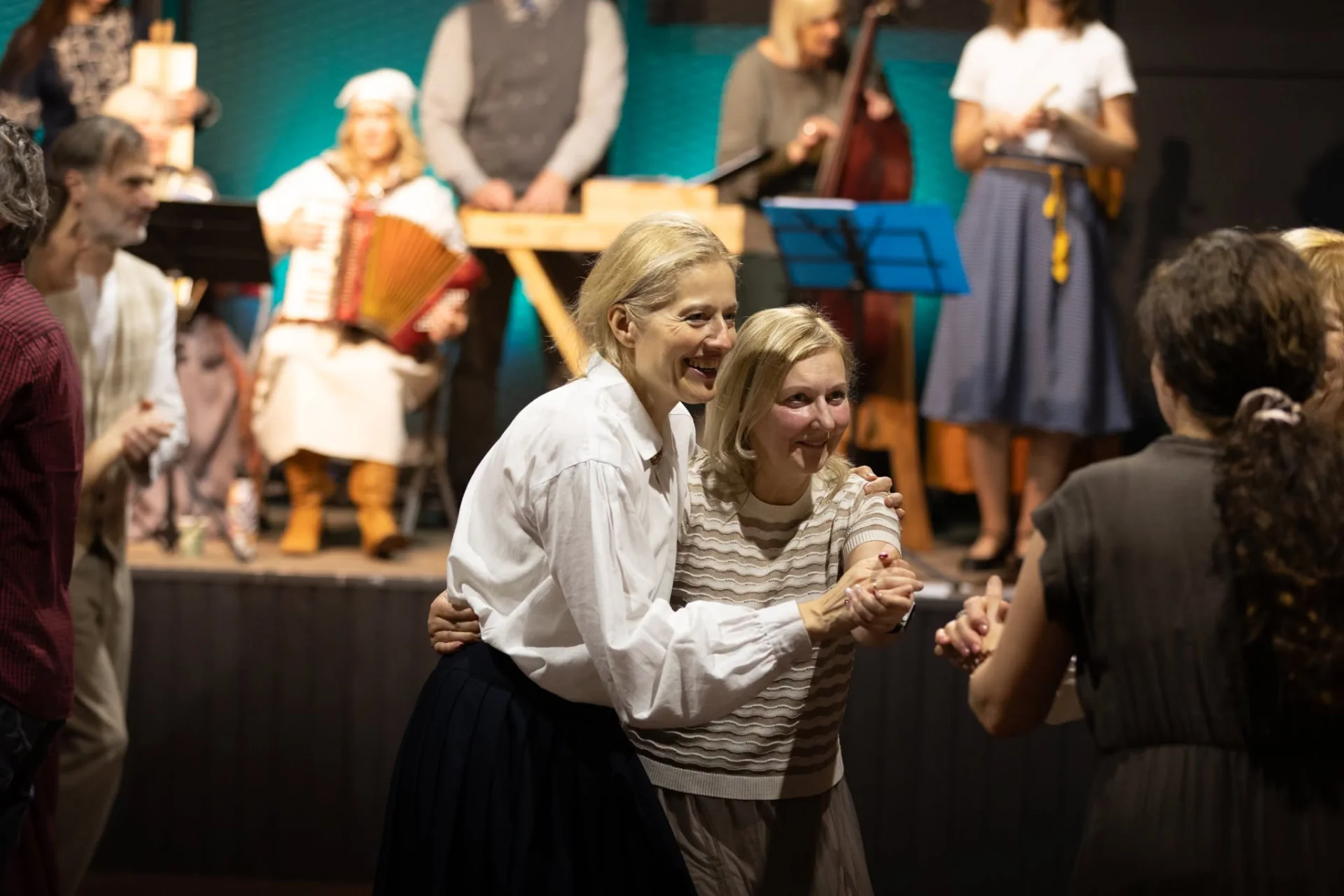
Shared artistic experiences connect skills and memories with new interests. Intergenerational learning respects the contributions of both younger and older participants.
Art as communication
Art can help people explore ideas that are difficult to put into ordinary words. These are educational themes; the foundation does not claim to operate schools, certified courses, scholarships, or youth programs.
Let’s make a connection.
Artistic interests, cultural questions, or a shared idea.
We welcome the conversation.