Traditional Crafts and Cultural Knowledge
A handmade object contains more than its materials. It holds decisions, practiced gestures, and knowledge learned over time.
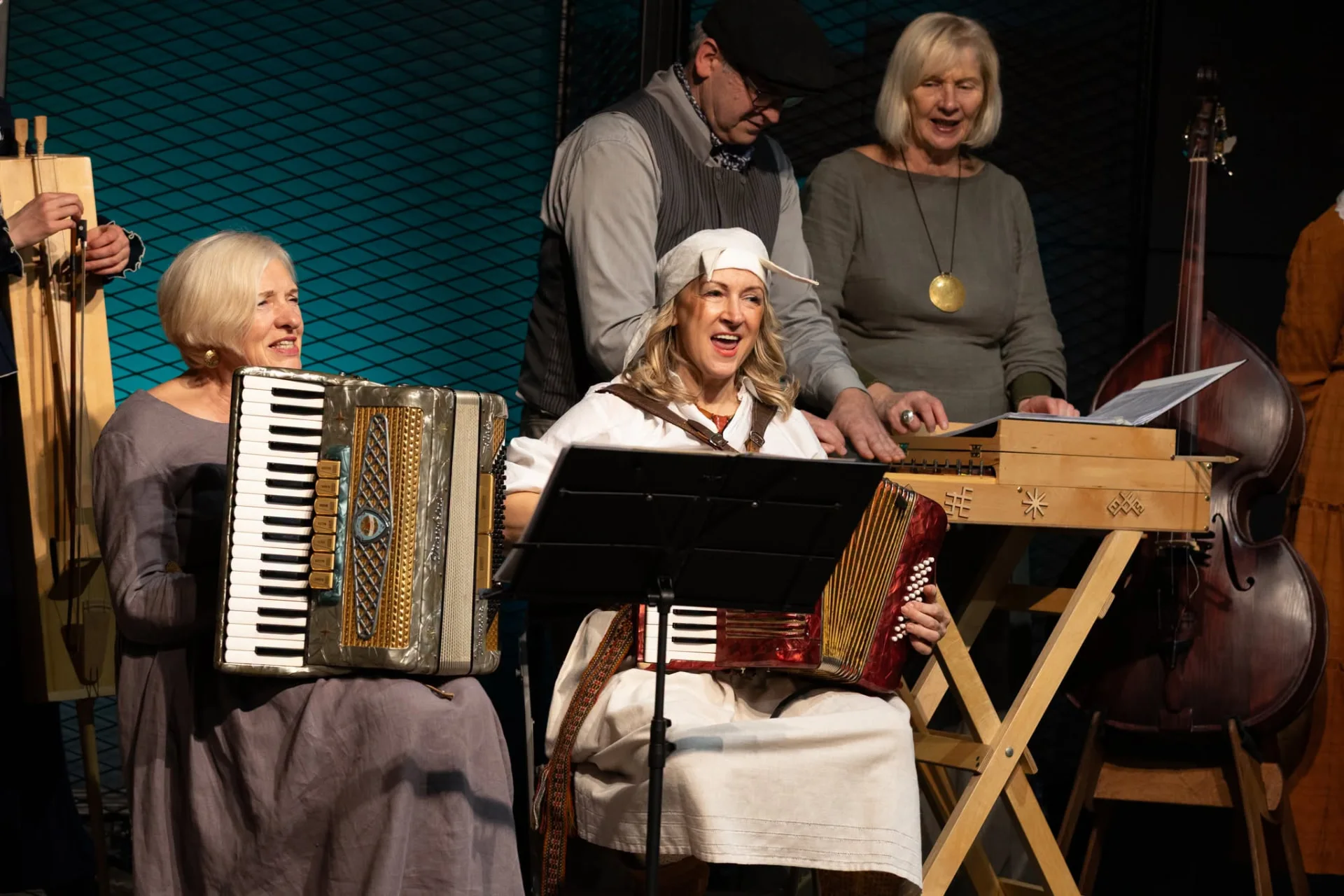
Craft knowledge is often embodied: the pressure of a tool, the way a material responds, the order in which a process is carried out. Written instructions can be useful, but observation and practice reveal details that words alone cannot capture. Respecting a tradition includes respecting its makers and the time their work requires. Preservation is therefore not only about collecting finished objects. It can also mean documenting processes responsibly, discussing their cultural context, and encouraging curiosity about how knowledge moves between people.
Traditional arts
Knowledge of traditional techniques is often learned through practice: observing a gesture, listening to a melody, or working with a material. Preserving that knowledge includes understanding the context and meaning of the work.
Latvian cultural identity
Cultural expression can create a sense of belonging without reducing identity to a single story. Local experiences and different perspectives contribute to a wider understanding of Latvia’s heritage.
Music and folk traditions
Songs, instrumental music, and communal dance can connect personal memory with shared experience. Their cultural value includes the relationships and occasions through which they are learned and passed on.
Local histories
Stories associated with a place help communities understand change and continuity. Local cultural histories add texture and specificity to broader national narratives.
A conversation to continue
Cultural life is not a finished object. It changes through the attention, choices, and contributions of people who participate in it. Taking time to listen, learn, and ask thoughtful questions is a valuable way to engage with these themes.
This is an educational article. It does not report a foundation event, confirmed program, or organizational achievement.
Explore this cultural theme