The Cultural Value of Music and Performance
Music and performance bring people into a shared moment—one shaped by rhythm, attention, and presence.
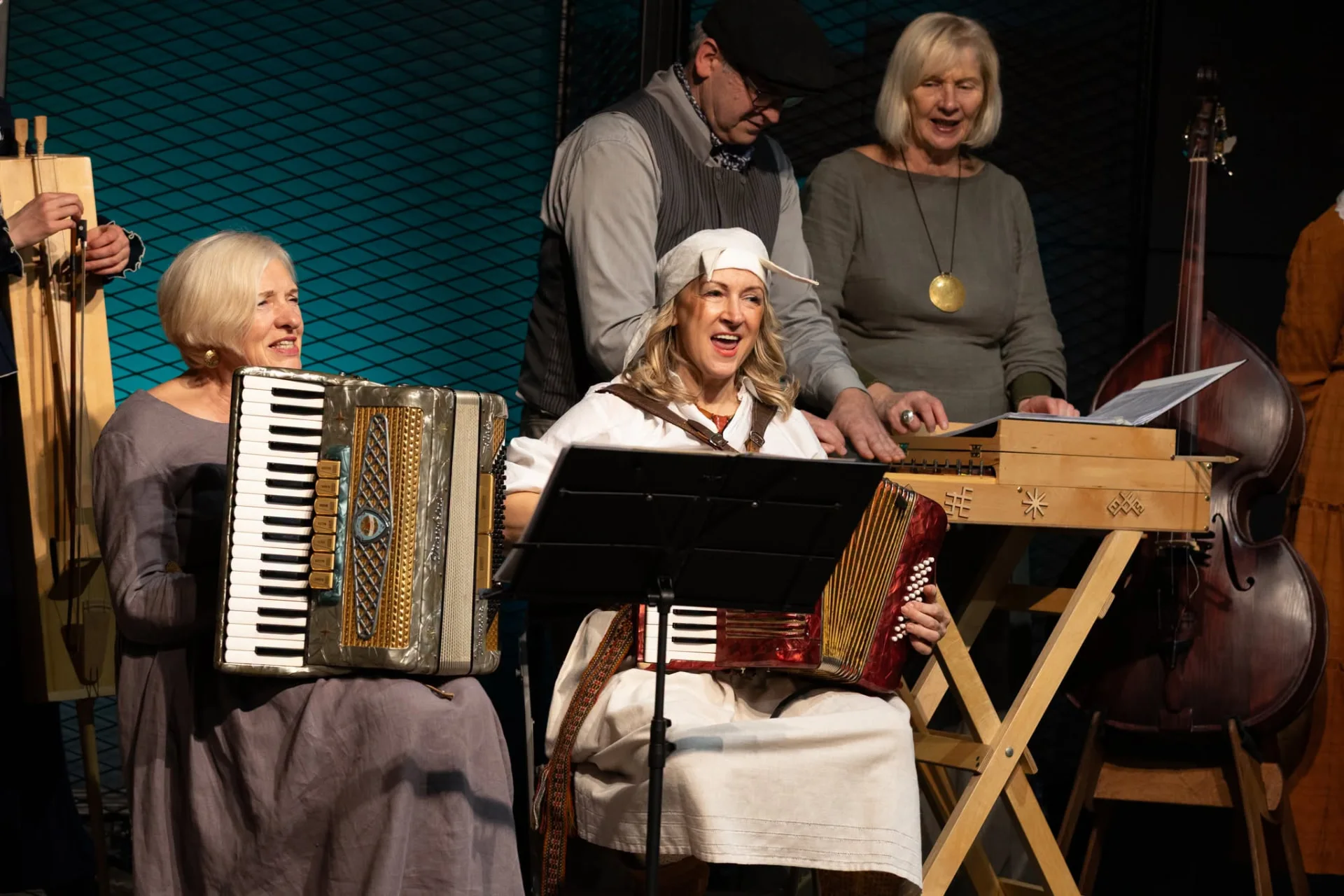
Live artistic expression creates a relationship between performers, participants, and listeners. A melody or shared rhythm can connect individuals within a group while leaving room for different personal responses. Dance and theatre add movement, gesture, and storytelling to that encounter. The cultural significance of performance lies partly in this shared presence: people attend to something together. Understanding a musical or performance tradition also involves its context, the knowledge of its practitioners, and the ways it is learned and passed on.
Visual arts
Painting, drawing, sculpture, photography, and mixed media offer different relationships with materials and observation. A work may document a place, communicate emotion, or challenge the viewer to look again.
Performing arts
Music, dance, and theatre unfold in time. The relationship between performers and audiences gives each encounter a particular character, shaped by attention, space, and shared presence.
Literary arts
Literature, poetry, and storytelling give language an artistic form. They can preserve memory, explore imagined worlds, and help readers consider experiences different from their own.
Contemporary practice
Contemporary artists engage with changing social questions and new creative tools. Experimentation can connect familiar traditions with unexpected materials, methods, and forms of dialogue.
A conversation to continue
Cultural life is not a finished object. It changes through the attention, choices, and contributions of people who participate in it. Taking time to listen, learn, and ask thoughtful questions is a valuable way to engage with these themes.
This is an educational article. It does not report a foundation event, confirmed program, or organizational achievement.
Explore this cultural theme