Creative Learning Across Generations
Creative learning becomes richer when experience and fresh curiosity are brought into the same conversation.
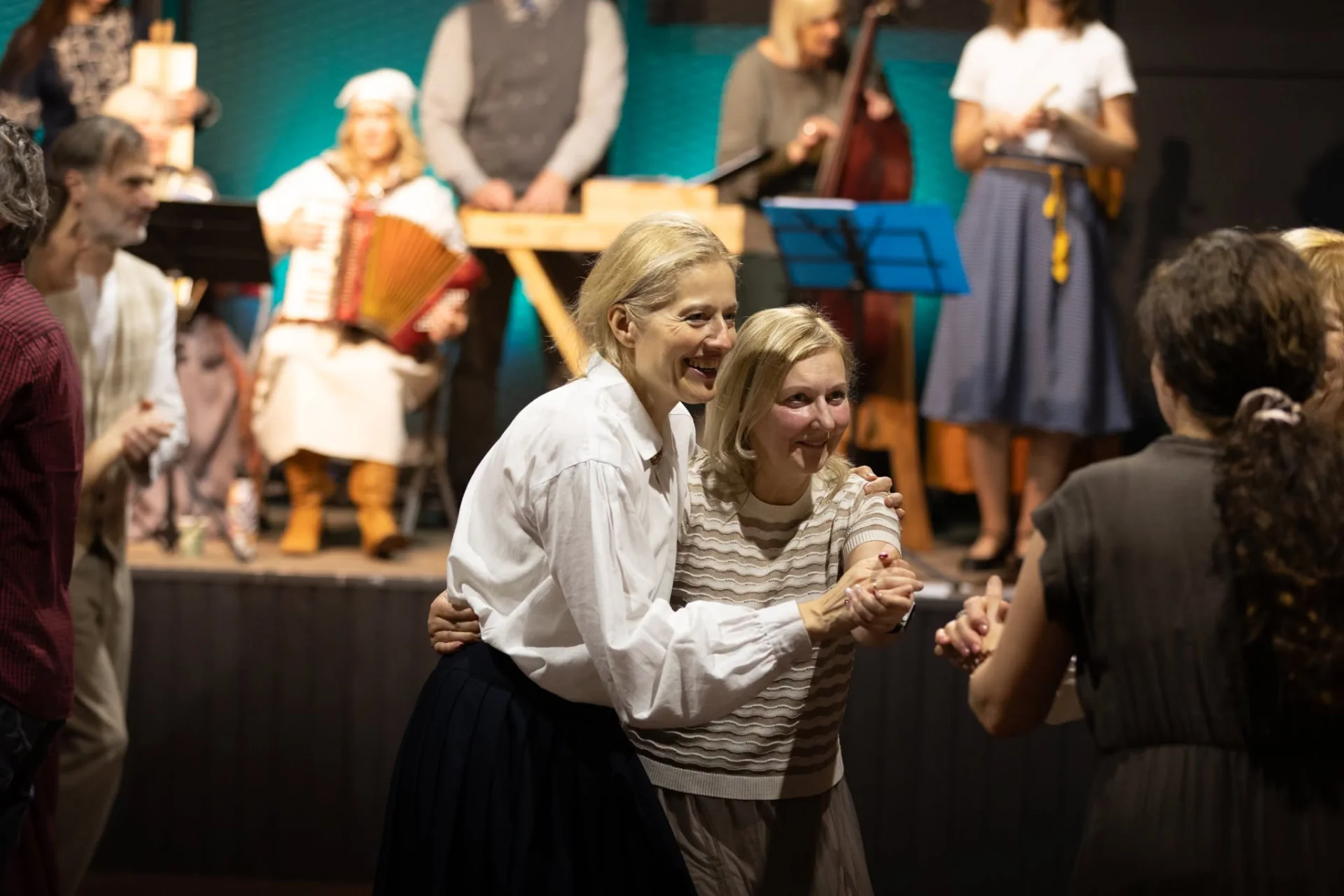
When people of different ages explore a creative practice together, learning can move in both directions. An experienced participant may know the history of a technique; someone encountering it for the first time may notice a possibility that has gone unconsidered. The exchange works best when neither contribution is dismissed. Sharing knowledge involves patience, space for questions, and recognition that the goal is not always a polished result. A conversation, a new interest, or a different understanding of another person’s experience can be just as meaningful.
Creative confidence
Trying a technique, making mistakes, and returning to a piece of work can build confidence. Learning environments are most helpful when experimentation is welcome and progress is not reduced to comparison.
Cultural literacy
Understanding artistic traditions and cultural history helps people interpret creative work. It also encourages questions about who makes art, how meaning changes, and which stories are represented.
Lifelong learning
People can develop creative interests at any age. Listening, reading, viewing, and making are all ways to continue learning, whether independently or with others.
Youth and creativity
Age-appropriate artistic experiences can support imagination and communication. Young people benefit from space to explore their own ideas and encounter different forms of expression.
A conversation to continue
Cultural life is not a finished object. It changes through the attention, choices, and contributions of people who participate in it. Taking time to listen, learn, and ask thoughtful questions is a valuable way to engage with these themes.
This is an educational article. It does not report a foundation event, confirmed program, or organizational achievement.
Explore this cultural theme