The Role of Cultural Organizations in Community Life
Cultural organizations can help make space for creative encounters, public understanding, and thoughtful community dialogue.
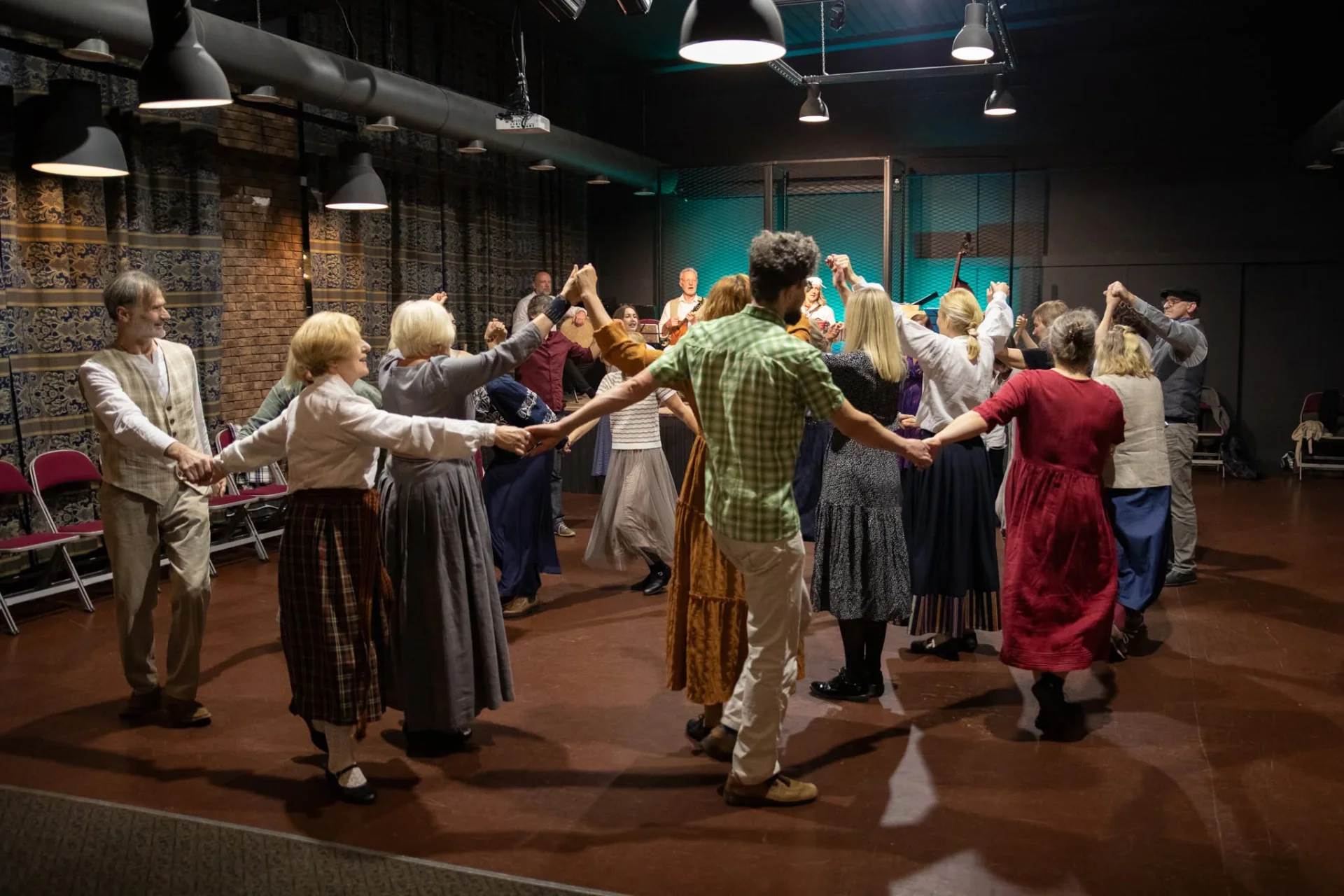
A cultural organization’s contribution is often understood through the experiences it helps make possible. Yet responsible administration and clear communication matter alongside creative ambition. Visitors need to know what is available, whom to contact, and whether an activity is confirmed or only being discussed. Honest descriptions help people decide how to engage. Cultural organizations can also contribute to a broader environment of listening and cooperation, where different artistic practices and community interests are recognized without being reduced to a single measure of success.
Identity and belonging
Traditions and creative experiences can help people feel connected to a place and to one another. A welcoming cultural environment also recognizes that communities contain many histories and perspectives.
Shared creativity
Working or participating together can encourage communication and cooperation. The experience matters as much as the result: listening, learning, and discovering common interests are part of creative exchange.
Cultural dialogue
Art can open conversations about difficult or unfamiliar subjects. Respectful dialogue allows people to share experiences without requiring everyone to agree.
Participation and access
Accessible information and consideration of different needs can reduce barriers to participation. Clear contact channels help visitors ask questions before making commitments.
A conversation to continue
Cultural life is not a finished object. It changes through the attention, choices, and contributions of people who participate in it. Taking time to listen, learn, and ask thoughtful questions is a valuable way to engage with these themes.
This is an educational article. It does not report a foundation event, confirmed program, or organizational achievement.
Explore this cultural theme